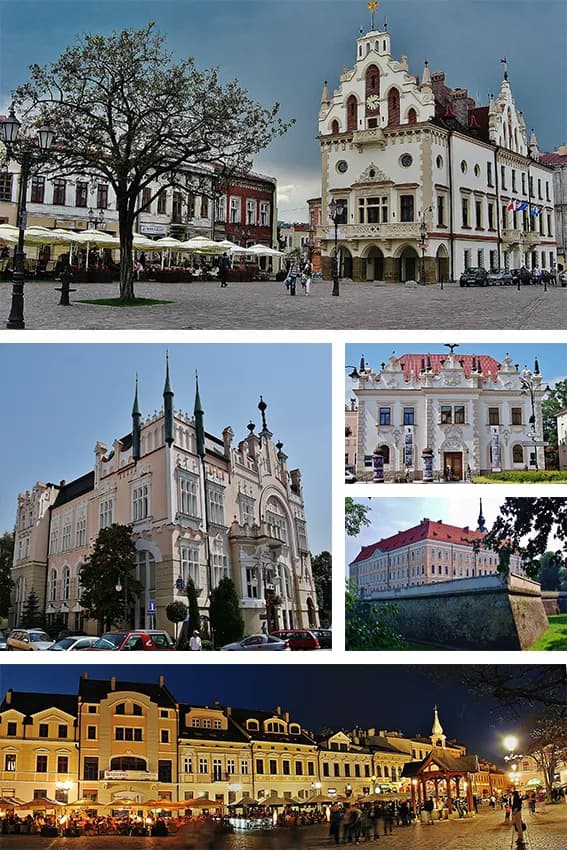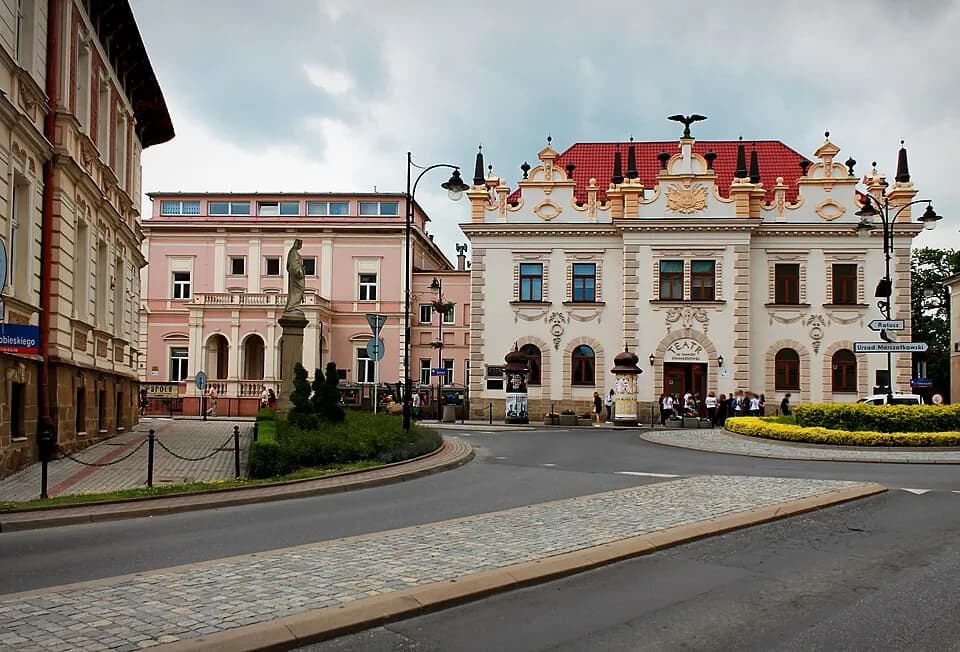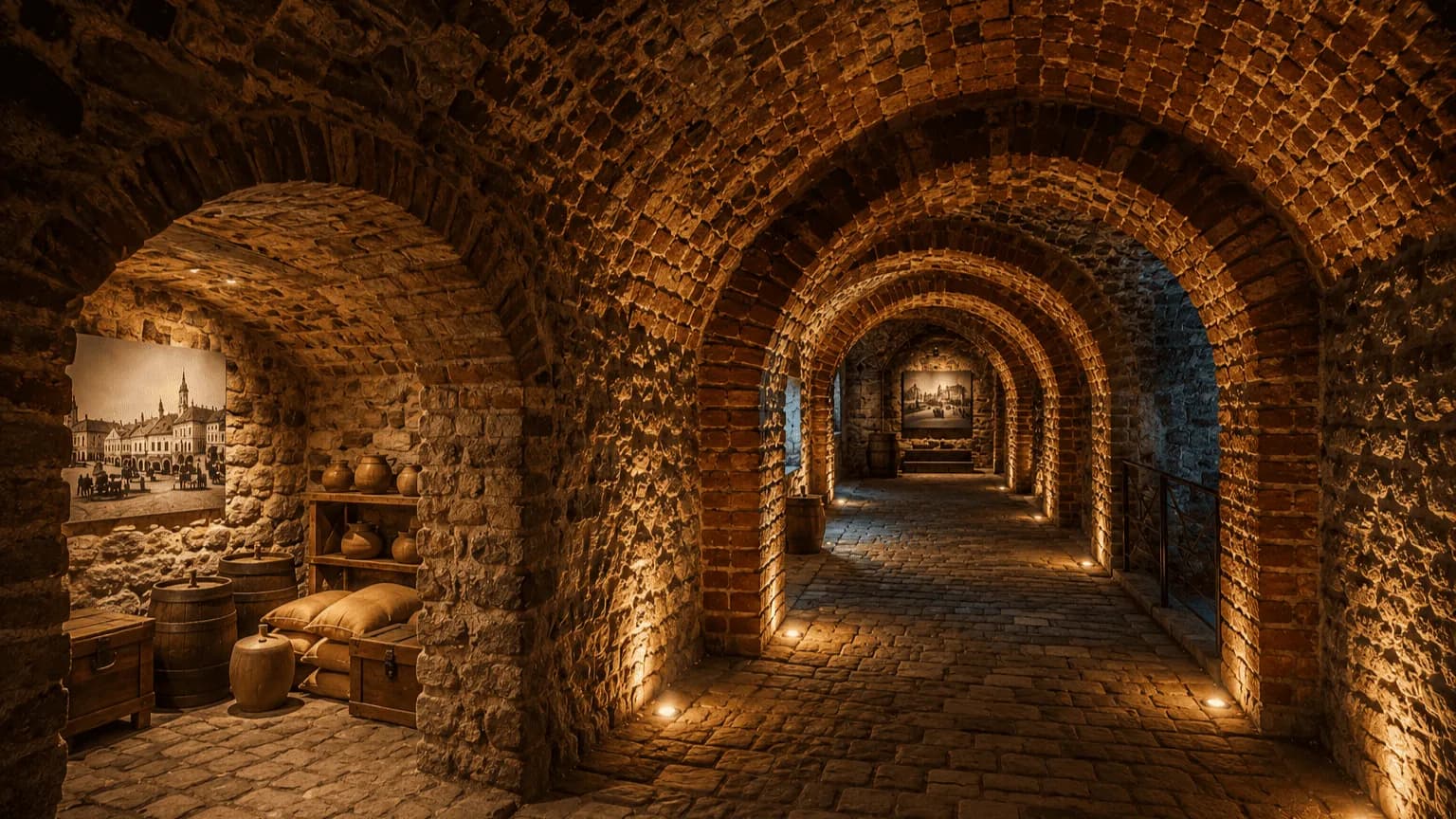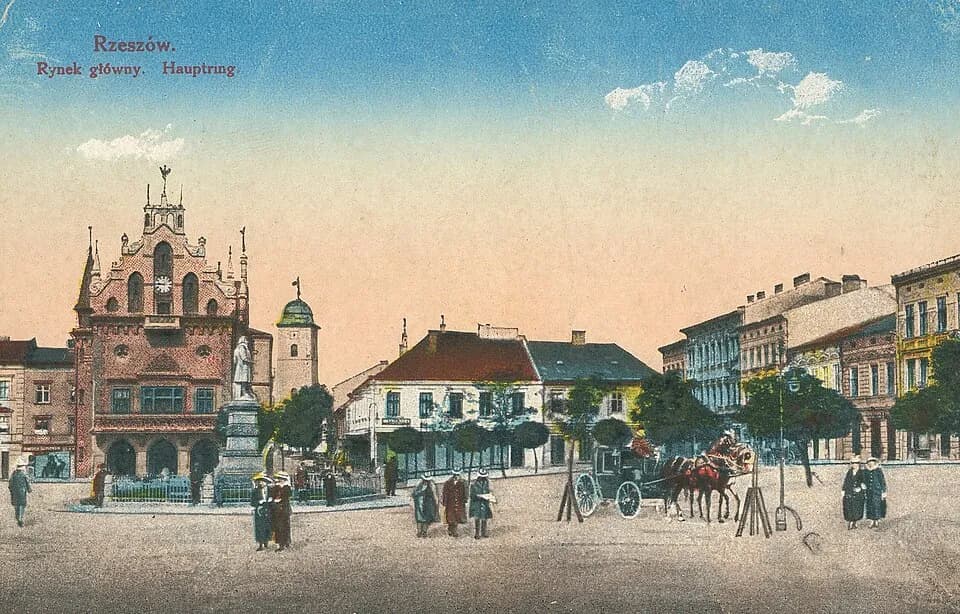
Walk through Rzeszów's colourful Market Square on a summer afternoon and it is easy to understand why this south-eastern Polish city leaves such a lasting impression. Elegant townhouses frame the historic Rynek, cafés spill onto cobbled streets, and beneath the bustling square lies a hidden network of medieval merchant cellars that has witnessed centuries of trade, prosperity and change.
Today, Rzeszów is recognised as the capital of the Podkarpackie Voivodeship and the heart of Poland's renowned Aviation Valley. It is a modern university city with an international outlook, yet its story stretches back more than 670 years. From royal charters and noble families to industrial innovation and rapid urban growth, the history of Rzeszów reflects both the resilience of its people and the strategic importance of its location.
Whether you are discovering the city for the first time or looking to understand the roots of one of Poland's fastest-growing regional capitals, Rzeszów offers a fascinating journey through the country's history.
Medieval Foundations Along the Wisłok River
The history of Rzeszów officially began on 19 January 1354, when King Casimir III the Great granted the settlement Magdeburg rights, establishing it as a town with its own system of self-government and commercial privileges.
The charter transformed what had previously been a fortified settlement into an organised urban centre, encouraging merchants, craftsmen and settlers to establish themselves here.
Its position on the banks of the Wisłok River proved invaluable. Rzeszów stood on important trading routes connecting Kraków with Lviv, while routes leading south linked Poland with Hungary. Merchants transporting salt, timber, grain, cloth and wine regularly passed through the town, bringing both wealth and cultural exchange.
Like many medieval Polish towns, Rzeszów developed around a central market square. More than six centuries later, the Rynek remains the city's historic heart and one of its most recognisable landmarks.
Noble Families Shape the City's Future
For much of its early history, Rzeszów was a private town, owned by some of the most influential noble families in the Polish–Lithuanian Commonwealth.
The Ligęza family played an important role in expanding the town during the sixteenth and early seventeenth centuries. They invested in fortifications, encouraged commerce and strengthened Rzeszów's position as an important regional centre.
Later, ownership passed to the Lubomirski family, whose influence is still visible today.
Rzeszów Castle
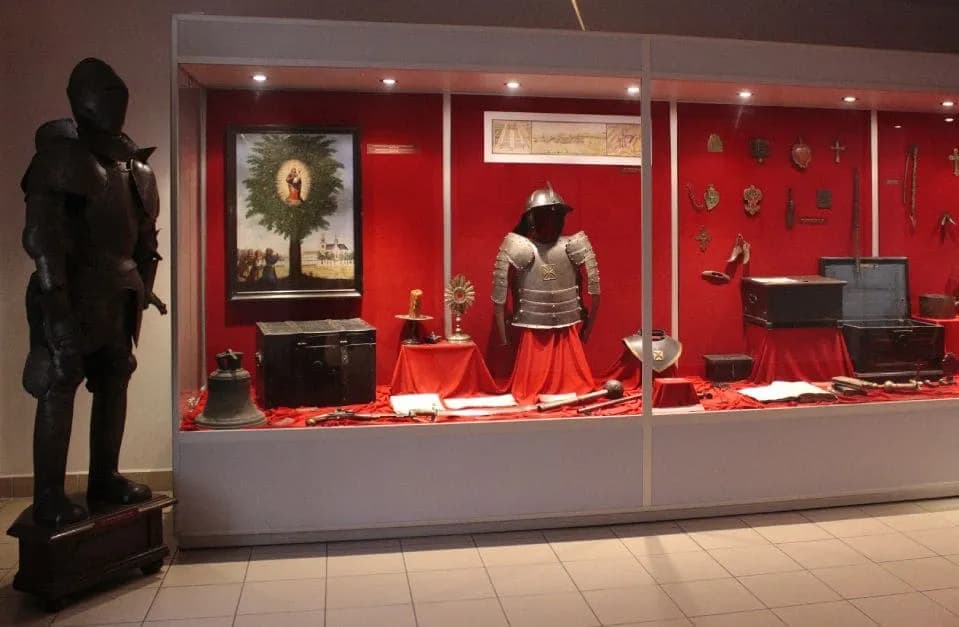
One of the city's best-known landmarks is Rzeszów Castle, standing close to the Old Town. Although much of the present building dates from nineteenth-century reconstruction under Austrian administration, it occupies the site of an earlier defensive residence associated with the Lubomirski family.
The castle remains one of the city's defining landmarks and serves as a reminder of the noble families who helped shape Rzeszów's development.
Trade, Markets and Everyday Life
By the sixteenth century, Rzeszów had become a thriving market town.
Regular fairs attracted merchants from across the region, while local craftsmen produced goods ranging from textiles and leather products to metalwork and agricultural equipment.
The city was also home to diverse communities, including Polish, Jewish and Ruthenian residents, whose cultures contributed to the character of the growing town. Religious buildings, schools and markets reflected this multicultural heritage that existed for centuries.
Rzeszów Under Austrian Rule
A major turning point came in 1772 during the First Partition of Poland, when Rzeszów became part of the Austrian Empire's Kingdom of Galicia and Lodomeria.
Although Polish independence was lost, the city continued to develop.
During the nineteenth century, the Austrian administration introduced new public institutions, modernised infrastructure and improved transport links. The arrival of the railway proved especially significant, connecting Rzeszów more efficiently with Kraków, Lviv and Vienna.
These improvements encouraged commerce and laid the foundations for future industrial growth.
Many buildings seen in the city centre today reflect this period of architectural expansion.
Returning to an Independent Poland
Following the end of the First World War in 1918, Rzeszów once again became part of an independent Polish state.
The interwar years saw gradual growth in education, public administration and local business. Although the city remained relatively modest in size, it strengthened its position as an important commercial and administrative centre for south-eastern Poland.
Like much of the country, Rzeszów experienced enormous hardship during the Second World War. The city's Jewish community, which had played such an important role in its cultural and commercial life, suffered devastating losses during the Holocaust.
Becoming the Capital of Podkarpackie
The years following the Second World War transformed Rzeszów more dramatically than any previous period in its history.
On 7 July 1945, the Rzeszów Voivodeship was established, confirming the city's growing administrative importance.
Administrative reforms in later decades eventually established Rzeszów as the capital of today's Podkarpackie Voivodeship, a role it proudly continues today.
As the regional capital, Rzeszów became the centre for government, healthcare, education and public services across south-eastern Poland.
This status also attracted investment, new housing developments and expanding transport infrastructure that continue to shape the city today.
Industry Drives a New Era
Post-war industrialisation changed the city's economy.
Engineering works, machinery manufacturers, textile factories and metal-processing plants created thousands of jobs and encouraged rapid population growth.
Perhaps the most important industry to emerge was aviation.
Today, Rzeszów sits at the heart of Aviation Valley, one of Europe's leading aerospace clusters.
International companies work alongside Polish manufacturers to produce aircraft engines, components and advanced engineering technologies exported worldwide.
The aviation sector has become one of the defining features of the modern city and continues to attract skilled professionals, researchers and investors from across Europe.
Education and Innovation
Education has played a major role in Rzeszów's modern success.
The establishment of Rzeszów University of Technology in 1974 strengthened the city's reputation for engineering, innovation and scientific research.
Today, together with the University of Rzeszów and other higher education institutions, the city welcomes thousands of students each year.
This youthful population contributes to a lively atmosphere, supporting cafés, cultural events, independent businesses and a growing technology sector.
Explore Rzeszów's Historic Landmarks
History is never far away when walking through the city centre.
Many of Rzeszów's most important landmarks sit within easy walking distance of one another, making the Old Town an ideal place to explore on foot.
Market Square (Rynek)
The colourful Market Square remains the social heart of the city.
Surrounded by beautifully restored townhouses, restaurants and cafés, it hosts seasonal events, Christmas markets and cultural festivals throughout the year.
The elegant Town Hall dominates the square and is one of the city's most photographed buildings.
Rzeszów Cellars
Beneath the Rynek lies one of the city's hidden treasures.
The Rzeszów Cellars form an underground tourist route through interconnected medieval storage chambers once used by merchants to store valuable goods.
Modern exhibitions bring centuries of commercial history to life through interactive displays and carefully restored interiors.
Rzeszów Castle
Although rebuilt over the centuries, Rzeszów Castle remains closely associated with the Lubomirski family and provides a striking reminder of the city's noble past.
Bernardine Monastery and Church
Founded during the seventeenth century, this historic religious complex remains one of the city's most recognisable architectural landmarks.
Lubomirski Summer Palace
Set within attractive gardens, this elegant residence reflects the lifestyle of one of Poland's most influential aristocratic families.
Did You Know?
Rzeszów received town rights in 1354, making it one of the oldest chartered cities in south-eastern Poland.
The city's underground tourist route extends beneath the Market Square through historic merchant cellars.
Rzeszów is regarded as the centre of Poland's Aviation Valley, home to one of Europe's most important aerospace industries.
The city has one of the youngest populations among Poland's regional capitals thanks to its universities.
More than 200 kilometres of cycling routes make Rzeszów one of Poland's increasingly cycle-friendly cities.
The Wisłok River provides riverside walking and cycling paths that are popular with residents throughout the year.
Why Rzeszów Matters Today
Modern Rzeszów is a city that looks confidently towards the future while remaining proud of its past.
Its growing economy, international business connections, expanding university sector and thriving cultural scene have made it one of Poland's most attractive regional capitals for investment, education and tourism.
Despite this rapid development, visitors will still find a welcoming city where medieval streets, historic churches and centuries-old landmarks remain central to everyday life.
That balance between heritage and innovation gives Rzeszów a distinctive identity unlike anywhere else in Poland.
A City Looking Ahead
Rzeszów's story is one of continuous transformation.
From its medieval beginnings as a thriving market town to its emergence as the administrative, educational and technological heart of Podkarpackie, the city has continually adapted to changing times while preserving its historic character.
Today, its colourful Market Square, underground cellars, noble heritage and thriving aviation industry combine to create a destination that reflects both centuries of history and a clear vision for the future.
For residents, Rzeszów is a city of opportunity and innovation. For visitors, it offers an authentic glimpse into the rich heritage of south-eastern Poland, where every cobbled street and historic façade tells another chapter in a story that is still unfolding.