Among the quiet pathways and centuries-old trees of Rzeszów's Old Cemetery, every gravestone tells part of the city's story. From respected merchants and architects to community leaders, insurgents and ordinary residents, the historic necropolis on Targowa Street has served as a place of remembrance for more than two centuries. This year, the city is taking another step towards safeguarding that legacy with a new programme of conservation work aimed at preserving several of its most significant monuments.
Rzeszów has allocated almost PLN 50,000 for the latest phase of restoration, continuing a long-term commitment to protecting one of the city's most important heritage sites. Rather than simply maintaining individual memorials, the project forms part of a wider effort to ensure that future generations can continue to understand the people, craftsmanship and history that shaped modern Rzeszów.
One of Poland's Oldest Urban Cemeteries
Established in 1792, the Old Cemetery was created following reforms introduced during the reign of Emperor Joseph II, which required burial grounds to be moved beyond densely populated urban centres. At the time, the site lay outside the historic town, adjacent to the Church of the Holy Trinity, and would gradually become the principal burial place for generations of Rzeszów residents.
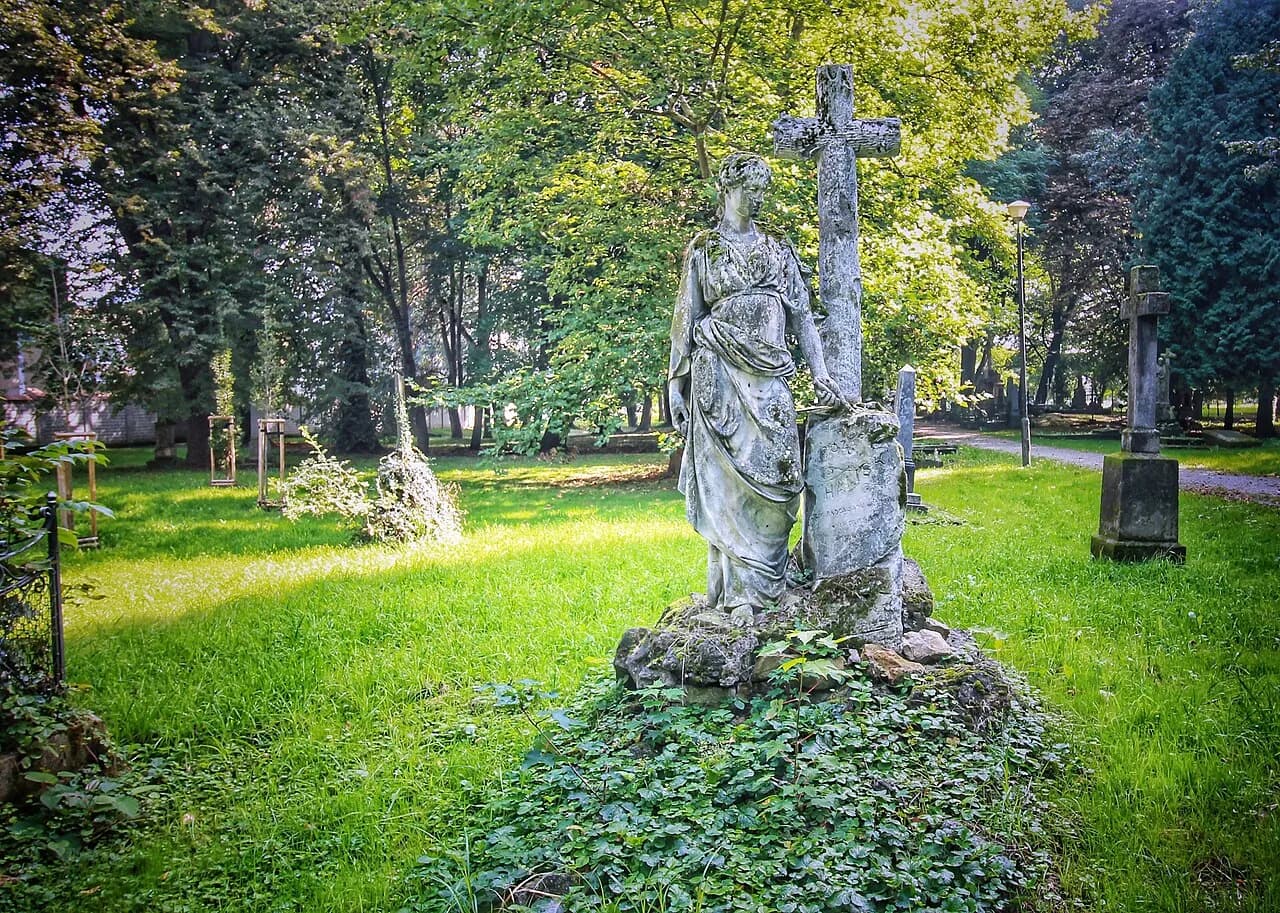
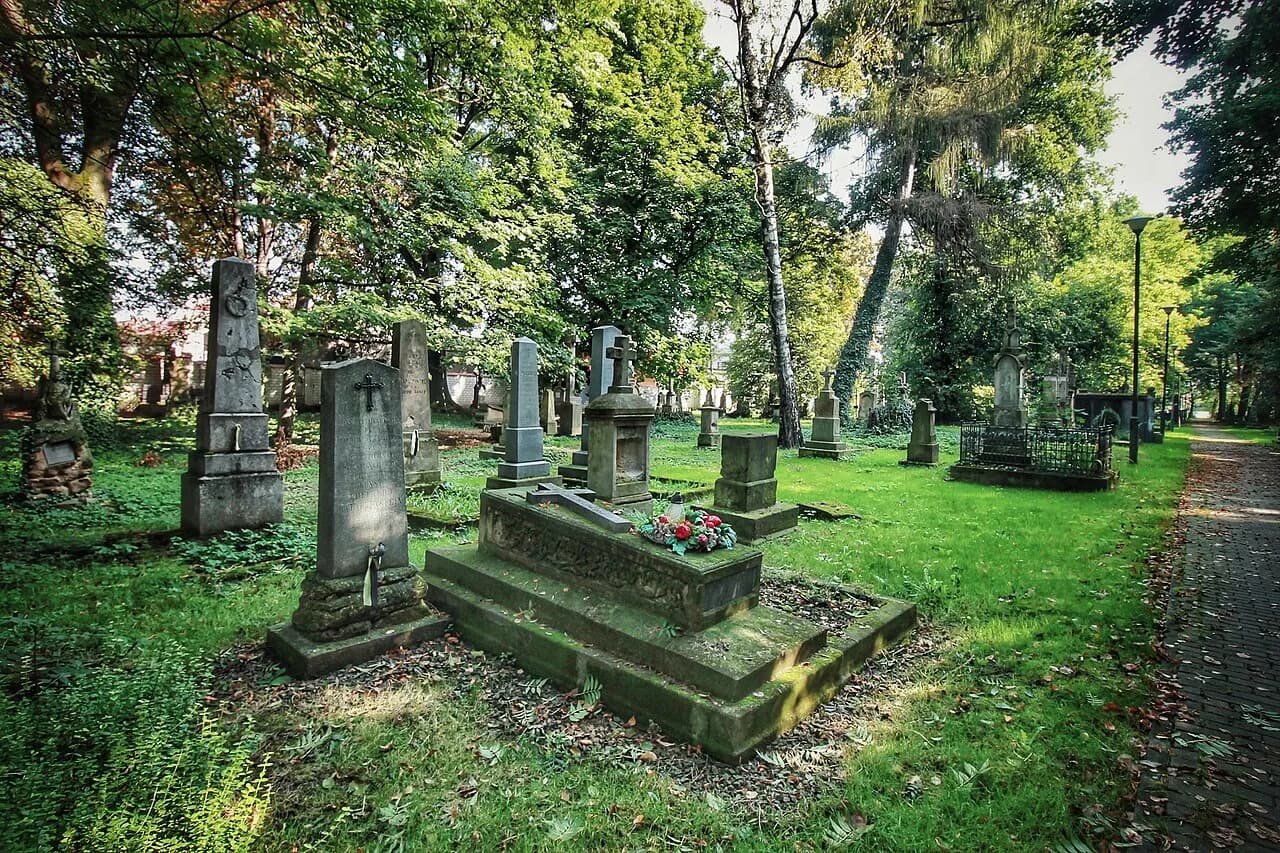
Today, the cemetery occupies 3.65 hectares between Targowa Street and the Wisłok River. Although burials largely ceased in the early twentieth century, the site remains one of the city's most remarkable historical landscapes. Approximately 40,000 people are believed to be buried here, while around 620 historic monuments still survive, making it one of the richest collections of nineteenth-century funerary art in south-eastern Poland.
The cemetery was entered into the register of historic monuments in 1968, recognising both its architectural significance and its importance as a record of the city's social history.
Restoration Work Will Continue Through the Autumn
This year's conservation programme has been awarded to OrTech Paweł Wójcik of Radom. Before restoration begins, specialist conservation plans will be prepared and the necessary heritage approvals obtained. The entire project, including post-completion documentation, is scheduled to finish by November 2026.
The centrepiece of this year's programme will be the comprehensive restoration of the grave monument of Karolina Wodzińska (1800 to 1871).
Additional conservation work will focus on two further historic monuments:
- Leopold Praschill (1836 to 1888), whose stone cross will be restored.
- Ludwika Zennermanowa née Maliszewska, who died in 1891, with conservation also focusing on the monument's cross.
Conservators will also construct a new base beneath one unidentified historic grave, stabilising the surviving stone elements and making it possible to reassemble the monument safely.
Preserving More Than Stone
Walking through the Old Cemetery offers an insight into the changing fortunes of Rzeszów during the nineteenth century. Many of its surviving monuments were produced by renowned stone workshops and sculptors from Lwów (now Lviv), Kraków and Rzeszów, reflecting the artistic tastes and growing prosperity of the city during that period. Decorative crosses, obelisks, carved angels and finely detailed inscriptions together form an open-air collection of funerary art rarely found in such concentration.
The cemetery is also notable for the diversity of those buried there. Although established as a Christian cemetery, it became the final resting place for people from several denominations, illustrating the multicultural character of historic Rzeszów. The grounds also include graves connected with national uprisings, civic life and victims of the Second World War, adding further historical layers to the site.
A Long-Term Investment in Local Heritage
The latest restoration is part of an ongoing conservation programme rather than a standalone project.
Between 2021 and 2025, the city invested almost PLN 250,000 in restoring historic monuments across the cemetery. During that period, 19 tombs underwent conservation, including those of merchant and philanthropist Ignacy Schaitter, Józef Łukasiewicz, father of the pioneering inventor Ignacy Łukasiewicz, and architect Jakób Holzer.
By carrying out work in stages, specialists can address the most vulnerable monuments while ensuring that restoration follows conservation best practice. Careful documentation also creates an important archive for future research and maintenance.
Residents Invited to Help Rebuild the Past
Alongside the physical conservation work, the city is appealing to residents for assistance in documenting the cemetery's history.
Anyone with historic photographs of the Old Cemetery, particularly images showing monuments that may have deteriorated over time, is encouraged to share them with the Zarząd Zieleni Miejskiej (Municipal Greenery Authority). These photographs can provide valuable reference material for conservators, helping them understand original details, inscriptions and decorative features that may no longer be visible.
Community contributions of this kind often play an important role in heritage conservation, allowing restoration work to be informed by historical evidence rather than assumption.
Why It Matters
Historic cemeteries are far more than places of remembrance. They are archives carved in stone, preserving the names, stories and artistic traditions of earlier generations. Every restored monument helps protect another fragment of Rzeszów's identity while ensuring that one of Poland's oldest surviving urban cemeteries continues to tell the story of the city for years to come.
As conservation work progresses this year, the investment demonstrates that preserving local heritage is not only about protecting historic structures, but also about maintaining the connection between today's residents and the generations who helped shape Rzeszów.